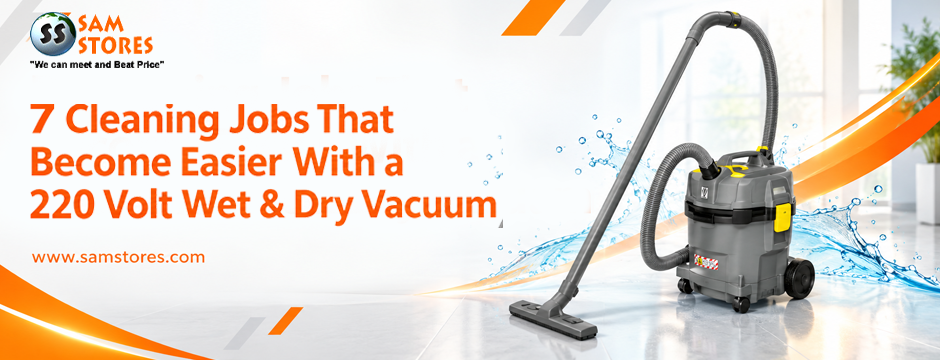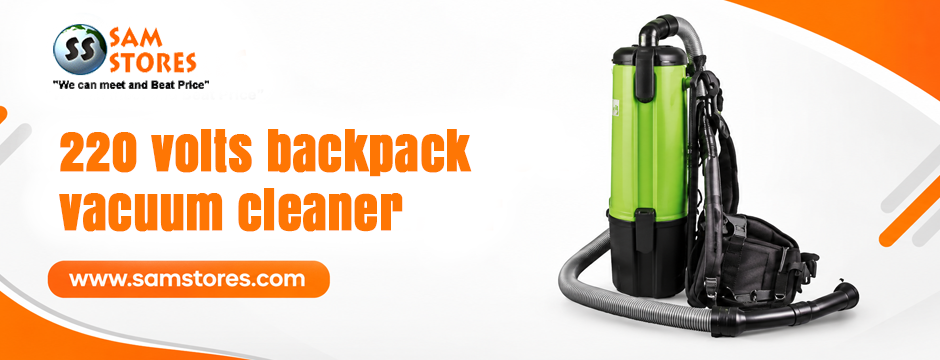
Why 220 Volts Steam Vacuums Deliver Superior Cleaning Power?

Keeping a home spotless often feels like a full-time job. From muddy footprints to kitchen grease and hidden allergens, dirt has a way of returning just when you think you are done. If you have been exploring better cleaning tools for your household, you may have come across 220-volt steam vacuums. But what makes them stand out?

The answer lies in power, performance, and deep-cleaning efficiency. In this blog, we will explore why 220-volt steam vacuums deliver superior cleaning power, how they work, and why many households are making the switch.

The Science behind Steam Cleaning

Steam cleaning relies on high-temperature vapor to loosen dirt, dissolve grease, and eliminate bacteria. Unlike traditional mopping or vacuuming, steam penetrates surfaces at a microscopic level. The heat breaks down stubborn grime without relying heavily on chemicals.

When water is heated to high temperatures, it transforms into pressurized steam. That steam is then released onto surfaces through specialized nozzles and brushes. The result is powerful cleaning that sanitizes and refreshes simultaneously.

The key factor in this process is consistent heat and pressure. That is where 220-volt systems shine.

Why Voltage Matters in Cleaning Performance?

Voltage determines how much electrical power an appliance can use. In simple terms, higher voltage allows for stronger heating elements and more efficient motors. Generally, a 220-volt steam vacuum can heat water faster and maintain higher temperatures for longer periods.

This steady heat ensures steam remains powerful throughout your cleaning session. You do not experience frequent temperature drops that reduce effectiveness. Instead, you get continuous high-pressure steam that tackles deep-set stains with ease.

For households dealing with tough messes, this consistent performance makes a noticeable difference. So, buyers can visit Sam Stores to browse different steam vacuums of different brands.

Deeper Cleaning for Busy Homes

Homes with children, pets, or high foot traffic require more than surface-level cleaning. Dirt settles into carpets, upholstery, and tile grout. Ordinary tools may remove visible debris but leave behind bacteria and allergens.

A 220-volt handheld vacuum can penetrate deeper into fibers and porous materials. The intense heat loosens embedded dirt and kills many common germs. This makes it especially useful for living rooms, play areas, and kitchens.

How The Braun 220 Volt Hair Dryer Redefines Everyday Glamour_

Families often notice fresher air and cleaner surfaces after switching to high-powered steam systems. The ability to sanitize without harsh chemicals also makes it appealing for health-conscious households.

Faster Heating, Less Waiting

Time is precious in any home. Waiting for cleaning equipment to warm up can feel frustrating. One major advantage of such steam vacuums is rapid heating capability.

It’s because of the higher electrical capacity that the heating element reaches optimal temperature quickly. You can begin cleaning sooner and complete tasks more efficiently. This is especially helpful when unexpected spills happen.

Spilled juice on the carpet or grease splashes on the stovetop demand immediate action. Faster heating means faster response.

Superior Stain Removal

Stubborn stains can ruin the look of carpets and upholstery. From wine spills to muddy paw prints, some messes refuse to disappear. The high-pressure steam produced by 220-volt systems softens hardened residue.

Combined with powerful suction, the vacuum extracts loosened dirt effectively. This dual action makes a significant difference compared to basic steam mops or standard vacuums.

You get both deep cleaning and efficient extraction in one machine. That means fewer passes over the same spot and better overall results.

A Chemical-Free Cleaning Solution

Many households are becoming more mindful about chemical exposure. Cleaning products often contain strong agents that may irritate skin or trigger allergies. Steam cleaning offers a natural alternative.

High-temperature steam alone can eliminate many bacteria and dust mites. With 220-volt steam vacuums, the heat remains consistent enough to maximize sanitization.

This reduces the need for chemical detergents. Your home feels cleaner without lingering chemical odors. For families with young children crawling on floors, this benefit is especially reassuring.

Versatility across Surfaces

One of the biggest advantages of steam vacuums is versatility. They are not limited to carpets. With the right attachments, you can clean tile floors, grout lines, kitchen counters, mattresses, and even car interiors.

A 220-volt system provides the power needed for diverse cleaning tasks. Whether you are refreshing upholstery or tackling bathroom tiles, the consistent steam pressure adapts to the surface.

This multi-surface capability reduces the need for multiple cleaning tools. One powerful device can handle much of your household cleaning routine.

Improved Allergen Control

Dust mites, pet dander, and pollen can accumulate in soft furnishings. Standard vacuuming may not eliminate these microscopic irritants. Steam penetrates fabric layers, loosening trapped allergens.

The strong suction of 220-volt hand-held vacuums then removes them effectively. Many households report improved indoor air quality after regular steam cleaning.

For individuals with allergies or asthma, this added benefit makes steam vacuums more than just a cleaning device. They become part of a healthier living strategy.

Energy Efficiency And Consistent Output

Although 220-volt appliances deliver more power, they are often designed for efficiency. Higher voltage allows the system to operate without straining the motor. This can result in smoother performance and less overheating.

The consistent energy flow ensures steady steam output. You avoid sudden drops in performance that interrupt your cleaning process.

For households seeking both performance and reliability, this balance between power and efficiency matters.

Long-Term Cost Savings

At first glance, a high-powered steam vacuum may seem like a significant investment. However, consider the long-term savings. Reduced reliance on chemical cleaners lowers recurring costs. Professional carpet cleaning services are becoming less frequent.

Stains are treated quickly before they become permanent. Carpets and upholstery may last longer due to proper maintenance. Over time, these factors contribute to overall savings.

For many households, the value becomes clear within the first year of use.

Ease of Use & Modern Design

Today’s steam vacuums of 220 volts are designed with user convenience in mind. Many models include adjustable steam settings, ergonomic handles, and easy-to-fill water tanks.

Clear controls simplify operation. Attachments are often quick to swap, allowing you to move seamlessly between surfaces. Some systems even include digital displays to monitor temperature and pressure.

This thoughtful design ensures that powerful cleaning does not feel complicated. Even first-time users can quickly adapt.

Ideal for Deep Seasonal Cleaning

Seasonal cleaning projects demand serious equipment. Spring cleaning often includes washing curtains, sanitizing mattresses, and refreshing rugs. Holiday preparations require spotless kitchens and living spaces.

A 220-volt vacuum handles these tasks with confidence. Its high-pressure steam can cut through built-up grime that accumulates over months.

Instead of renting specialized equipment, you have professional-level performance at home. This makes seasonal cleaning more manageable and less time-consuming.

Choosing The Right 220 Volts Steam Vacuum

  • When selecting a steam vacuum for your household, consider tank capacity, heating time, and included attachments. Larger tanks allow for longer cleaning sessions without refilling.
  • Look for adjustable steam controls for delicate surfaces. Strong suction capability ensures efficient dirt extraction. Reading product reviews and checking warranty coverage can also guide your decision.
  • An e-commerce platform often provides detailed specifications and customer feedback. Take advantage of these resources to make an informed purchase.

Final Thoughts

Cleaning should not feel like a never-ending battle. With the right equipment, you can transform your routine into something faster and more effective. 220-volt steam vacuums deliver superior cleaning power because they combine high heat, steady pressure, and strong suction.

For households seeking deeper sanitation, faster results, and versatile performance, this type of steam vacuum stands out. It tackles stubborn stains, reduces allergens, and minimizes chemical use.

Therefore, investing in a powerful steam vacuum is not just about cleaner floors. It is about creating a healthier, fresher home environment for your family. So, when performance matters, higher voltage makes a noticeable difference. If you are ready to upgrade your cleaning routine, exploring 220-volt steam vacuums at Sam Stores could be the next smart step for your household.

Why A 220 Volt Electric Shop Heater Is The Best Choice for Large Workshops?

Heating a large workshop is never as simple as plugging in a small portable heater and hoping for the best. Workshops are typically expansive, open areas with high ceilings, concrete floors, rolling doors, and minimal insulation. These structural features make heat retention difficult, especially during colder months. As a result, standard residential heaters often fail to maintain a comfortable and consistent temperature.

In such a situation, a 220 Volt electric shop heater would be a great choice. How?

When temperatures drop, productivity follows. Cold environments affect worker efficiency, reduce concentration, and even impact machinery performance. Tools can become brittle, lubricants may thicken, and certain materials may become harder to handle. Therefore, selecting the right heating solution is not just about comfort; it is about operational efficiency.

A 220V electric heater for shops stands out as one of the most reliable and practical solutions for large workshop environments. Its higher power capacity, efficiency, durability, and safety features make it a superior choice compared to lower-voltage or fuel-based alternatives.

The Power Advantage of 220 Volts

The primary difference between standard heaters and a 220V electric heater for shops lies in electrical capacity. Most household heaters operate on 110 to 120 volts, which limits their heat output. While suitable for small rooms or offices, they struggle in larger industrial spaces.

A 220 Volt system, on the other hand, allows for significantly higher wattage. Higher wattage translates into stronger heat output and better coverage across wide areas. This added capacity enables the heater to warm large workshops quickly and maintain consistent temperatures without overworking the unit.

Instead of running continuously at maximum output, a properly sized 220V heater reaches the desired temperature efficiently and then cycles on and off as needed. This balanced operation improves both performance and longevity.

Designed for Large, Open Workspaces

Workshops present unique heating challenges. Large garage doors open frequently, allowing cold air to enter. High ceilings cause warm air to rise, leaving working areas colder. Concrete floors absorb and retain cold temperatures. All of these factors demand a heating system with substantial power.

How The Braun 220 Volt Hair Dryer Redefines Everyday Glamour_

A 220 Volt patio heater is specifically designed to address these conditions. Many models include fan-forced systems that push warm air evenly throughout the space. This reduces cold spots and ensures consistent heating at ground level where work takes place.

In contrast, smaller heaters often create uneven temperature zones. Workers may feel warm near the unit but cold elsewhere. Over time, this inconsistency becomes uncomfortable and inefficient.

Faster Heat-Up Time for Immediate Productivity

Time is valuable in any workshop setting. Employees should not spend the first hour of the day waiting for the space to warm up.

A high-powered 220V electric shop heater delivers rapid heating performance. Thus, it allows the workshop to reach comfortable temperatures quickly. This fast heat-up capability is particularly important during early mornings or sudden temperature drops.

Instead of prolonged discomfort, workers can begin tasks promptly in a warm and stable environment. Maintaining productivity from the start of the day directly benefits operational output and employee morale.

Long-Term Energy Efficiency

Some assume that higher voltage automatically means higher energy bills. However, efficiency depends on how effectively a system performs its job. A lower-powered heater may run continuously without ever fully warming a large space. Continuous operation consumes more electricity over time.

A 220 Volt electric shop heater operates differently. Because it produces more heat in less time, it reaches target temperatures faster. Once achieved, the thermostat regulates operation efficiently. This cycling system reduces unnecessary runtime and minimizes wasted energy.

When properly sized for the space, a 220V heater can actually lower overall energy consumption compared to multiple smaller units running simultaneously.

Built for Durability in Demanding Environments

Workshops are rarely gentle environments. Dust, debris, vibration, and heavy equipment are common. Heating systems must withstand these conditions without frequent breakdowns.

Most 220V electric shop heater models are constructed with heavy-duty materials such as steel housings and reinforced heating elements. Many units are wall-mounted or ceiling-mounted, keeping them out of harm’s way and preserving valuable floor space.

Additionally, built-in safety features such as thermal cut-off protection and overheat sensors provide extra reliability. These safeguards ensure safe operation during long work hours and demanding seasonal use.

A Cleaner And Safer Heating Option

Safety is a top priority in workshops, especially those handling flammable materials, chemicals, or wood dust. Fuel-based heaters, including propane or gas systems, involve open flames and combustion gases. These systems require ventilation and careful monitoring.

A 220 Volt patio heater eliminates these concerns. Because it operates without combustion, it produces no fumes, smoke, or carbon monoxide. This makes it ideal for enclosed spaces where ventilation may be limited.

Electric heating also removes the need to store fuel tanks, reducing clutter and lowering fire risks. For businesses seeking a safer and more compliant heating solution, electric systems offer significant advantages.

Precise Temperature Control

Maintaining stable temperatures in a workshop protects both people and materials. Sudden temperature fluctuations can affect paints, adhesives, finishes, and sensitive equipment.

Most 220V electric heater units for shops come equipped with advanced thermostat controls. Some feature digital displays and programmable settings, allowing precise adjustments based on working hours and seasonal needs.

Consistent temperature control enhances comfort while protecting tools and materials from temperature-related damage. This stability contributes to smoother operations and higher-quality output.

Reduced Noise for Better Work Conditions

Industrial spaces often generate considerable noise from machinery and tools. Adding a loud heating system can further disrupt communication and concentration.

Many modern 220V electric heater models for shops are engineered for quieter performance. While fan-forced units naturally produce some sound, they typically operate at manageable noise levels that do not interfere with daily operations.

Lower noise levels improve teamwork, reduce stress, and create a more professional working environment.

Simplified Installation & Integration

Large workshops frequently have access to 220V circuits for heavy machinery such as welders, air compressors, and industrial tools. This makes integrating a 220 Volt electric shop heater relatively straightforward.

A licensed electrician can install the heater safely on a dedicated breaker, ensuring stable performance without overloading the system. Once installed, operation becomes simple and reliable.

Ceiling-mounted options also maximize space efficiency, keeping pathways clear and preserving usable floor area.

Cost-Effective over Time

While the initial investment in 220V electric heaters for shops or garages may be higher than smaller units, long-term savings often justify the expense. Electric heaters require less maintenance than gas or propane systems. There are no burners to clean, no pilot lights to maintain, and no fuel filters to replace.

Fewer moving parts reduce the likelihood of breakdowns. Maintenance is generally minimal and straightforward. Over time, these advantages lower total ownership costs.

When evaluating heating solutions for a large workshop, it is important to consider not only the purchase price but also operating efficiency, maintenance requirements, and lifespan.

Ideal for Various Industrial Applications

A 220V electric heater for large shopping areas is suitable for a wide range of large spaces, including automotive garages, woodworking shops, metal fabrication facilities, warehouses, agricultural buildings, and maintenance workshops. Each of these environments requires consistent and reliable heating to maintain productivity.

By delivering strong performance and even heat distribution, these heaters meet the demands of diverse industrial settings.

End Note

Heating a large workshop requires careful planning and the right equipment. Small residential heaters simply cannot provide the power and coverage necessary for expansive industrial spaces. A 220 Volt electric shop heater offers the capacity, efficiency, durability, and safety features needed to maintain a comfortable and productive environment.

With faster heat-up times, consistent temperature control, lower maintenance demands, and improved long-term efficiency, it represents a practical and reliable solution.

For workshop owners and facility managers seeking dependable performance during colder months, investing in a 220V system is a decision that supports both operational success and workplace comfort. So, if you are looking for electric heaters for your indoor or outdoor areas, visit Sam Stores. Here, you’ll get various types of heaters, so the options are many.

Benefits of Choosing a 220 volt 12000 btu window air conditioner for Your Home

Choosing the right air conditioner for your home is an important decision, especially in regions where summers are long, hot, and humid. Cooling needs vary based on room size, electrical infrastructure, energy consumption, and installation preferences. Among the many options available, a 220 volt 12000 btu window air conditioner stands out as a balanced solution that combines effective cooling, efficient power usage, and practical design for residential spaces.

This type of air conditioner is particularly suitable for homeowners who want dependable cooling without investing in complex systems. Understanding its benefits can help you decide whether it is the right fit for your living space.

Ideal Cooling Capacity for Medium-Sized Rooms

Cooling capacity is measured in British Thermal Units (BTUs), and selecting the right BTU rating is essential for comfort and efficiency. A 12,000 BTU air conditioner is generally designed to cool medium-sized rooms, typically ranging between 450 and 550 square feet, depending on factors such as ceiling height, insulation quality, sunlight exposure, and the number of occupants.

A 220 volt 12000 btu window air conditioner offers sufficient power to cool bedrooms, living rooms, home offices, and small open-plan areas evenly. It prevents common issues associated with undersized units, such as constant running without adequate cooling, while also avoiding the inefficiency of oversized systems that cool too quickly without properly dehumidifying the space.

Better Power Handling with 220 Volt Operation

One of the major advantages of 220-volt air conditioners is their ability to handle higher electrical loads more efficiently. Compared to lower-voltage systems, 220-volt units draw less current for the same amount of cooling output. This can result in smoother operation and reduced strain on electrical components.

Homes equipped with 220–240V power supply are well-suited for this type of system. A 220 volt 12000 btu window air conditioner is designed to operate reliably under such conditions, making it a strong choice for regions where higher-voltage electrical standards are common. The result is consistent cooling performance, even during peak summer temperatures.

Energy Efficiency and Reduced Power Loss

Energy efficiency is a top concern for homeowners who want to stay comfortable without driving up electricity bills. Window air conditioners with higher voltage operation often experience lower power losses during transmission, which contributes to improved overall efficiency.

When properly sized and installed, a 220 volt 12000 btu window air conditioner can provide effective cooling while maintaining reasonable energy consumption. Many modern units are engineered to balance performance with efficiency, helping reduce unnecessary energy waste. This makes them suitable for daily use during extended hot periods without excessive operating costs.

Simple Installation and Space-Saving Design

Unlike split or central air conditioning systems, window air conditioners are known for their straightforward installation. They are designed to fit into standard window openings or wall sleeves, eliminating the need for extensive structural changes.

A 220 volt 12000 btu window air conditioner combines cooling power with a compact, all-in-one design. It does not require separate indoor and outdoor units, refrigerant piping, or complex wiring layouts. This simplicity makes it appealing to homeowners who want an effective cooling solution with minimal installation time and effort.

Additionally, window units help save valuable indoor space since most of the system remains outside the room. This makes them especially useful in apartments or homes where space efficiency is important.

Effective Dehumidification for Improved Comfort

Cooling alone is not enough to create a comfortable indoor environment. High humidity levels can make a room feel warmer than it actually is and can contribute to discomfort, mold growth, and poor air quality.

A properly designed 220 volt 12000 btu window air conditioner helps remove excess moisture from the air while cooling the room. This dehumidification process improves overall comfort, making the space feel cooler and fresher. It also supports healthier indoor conditions by reducing dampness that can affect walls, furniture, and fabrics.

Low Maintenance and Easy Operation

Another benefit of window air conditioners is their relatively low maintenance requirements. Routine tasks such as cleaning or replacing filters, checking vents, and ensuring proper airflow can usually be done without professional assistance.

With a 220 volt 12000 btu window air conditioner, homeowners can enjoy reliable performance without complex upkeep. Most units are designed with user-friendly controls and accessible components, making them easy to operate and maintain throughout the cooling season.

Regular maintenance not only extends the lifespan of the unit but also ensures consistent cooling performance and better energy efficiency over time.

Cost-Effective Cooling Solution

How The Braun 220 Volt Hair Dryer Redefines Everyday Glamour_

A 220 volt 10000 btu window air conditioner offers an excellent balance between price and performance. It delivers targeted cooling for specific areas of the home, allowing homeowners to cool only the rooms they use most often. This focused approach can be more economical than running a whole-house cooling system, especially in smaller homes or apartments.

Reliable Performance in Hot Climates

In areas where temperatures remain high for extended periods, reliability becomes a critical factor. Window air conditioners built for higher voltage operation are often designed to withstand demanding conditions and prolonged use.

By choosing a unit with the appropriate voltage and BTU rating, homeowners can ensure stable operation during extreme heat. This reliability provides peace of mind, knowing that the cooling system can maintain indoor comfort even when outdoor temperatures rise significantly.

Why Sam Stores Is Your Trusted Destination for 220 Volt Appliances

Sam Stores has been serving customers with a wide range of dependable 220–240 volt appliances tailored for international use and specific voltage requirements. We specialize in offering quality solutions across large appliances, home comfort products, and cooling systems, including options like the 220 volt 12000 btu air conditioner for targeted room cooling. Our focus is on helping customers make informed decisions through clear product details, practical buying guides, and competitive pricing. With us, shoppers can compare models easily, find the right fit for their needs, and enjoy a smooth purchasing experience. We are committed to reliability, secure ordering, and customer satisfaction.

Conclusion

Selecting the right air conditioner involves balancing cooling capacity, energy efficiency, ease of installation, and long-term usability. A 220 volt 12000 btu window air conditioner meets these requirements by offering effective cooling for medium-sized spaces, efficient power usage, and a practical, space-saving design.

Its ability to deliver consistent comfort, manage humidity, and operate reliably makes it a strong option for homeowners seeking a dependable cooling solution. By understanding these benefits, you can make a more informed decision and enjoy a cooler, more comfortable living environment during the hottest months of the year.

Powering Modern Living: Top 220 Volt Adapter Uses in Today’s Smart Homes

Modern homes depend on electricity more than ever before. From climate control systems to connected devices, daily comfort now relies on stable power delivery. As households integrate appliances from different regions and upgrade to smarter technology, voltage compatibility becomes essential. This is where 220 Volt adapters quietly play a powerful role.

Many homes today feature imported electronics, advanced kitchen equipment, and smart living solutions. However, not every device matches local voltage standards. Without the right adapter, even premium appliances remain unusable. A reliable power adapter (220V) bridges that gap, allowing homeowners to operate high-powered equipment safely and efficiently.

Beyond convenience, these adapters protect investments. They regulate power flow, reduce electrical stress, and help prevent damage caused by voltage mismatch.

With energy-hungry appliances becoming standard in modern households, understanding how an electrical adapter (220 volt) supports everyday living is more important than ever.

Why 220 Volt Adapters Matter in Modern Homes?

Most large household appliances require higher voltage to function efficiently. Air conditioners, refrigerators, washing machines, and ovens draw significant power during operation. An AC adapter (220V) ensures these devices receive consistent voltage, preventing overloads and performance issues.

In many regions, homes support mixed-voltage environments. Some outlets deliver lower voltage for small electronics, while others supply higher voltage for heavy-duty equipment. Adapters allow homeowners to connect appliances across these systems without rewiring or costly electrical upgrades.

They also simplify life for families using imported products. International appliances often operate on 220 volts. Instead of replacing these devices, adapters provide an affordable compatibility solution.

Most importantly, quality adapters enhance safety. They help regulate current flow, reduce heat buildup, and effectively minimize the risk of short circuits when used correctly.

Powering Essential Appliances with 220 Volt Adapters

High-wattage appliances form the backbone of modern households. These machines demand stable voltage to deliver peak performance.

Air Conditioners & Climate Control Systems

Air conditioners consume large amounts of power during startup and continuous operation. A suitable 220 V plug adapter ensures smooth performance while protecting internal compressors. Without proper voltage alignment, cooling efficiency drops and component wear increases.

How The Braun 220 Volt Hair Dryer Redefines Everyday Glamour_

Adapters also help homeowners install split units or imported systems without modifying existing wiring. This flexibility supports faster installations and cleaner layouts.

Refrigerators And Freezers

Refrigeration systems require consistent power to maintain temperature stability. Voltage fluctuations can damage compressors and reduce food preservation efficiency.

Using a 220 Volt electrical adapter helps refrigerators operate within their designed parameters. It also minimizes energy loss and supports quieter operation.

For smart refrigerators with digital panels, stable voltage becomes even more critical.

Washing Machines And Laundry Equipment

Modern washing machines combine motors, heaters, and control boards. These components perform best when supplied with a steady voltage.

A 220 Volt electrical AC adapter supports proper heating cycles, balanced drum rotation, and reliable electronic controls. This reduces breakdown risks and extends appliance lifespan, especially for imported or high-capacity models.

Supporting Electronics And Smart Home Devices

While adapters often serve large appliances, they also support today’s expanding ecosystem of electronics and smart devices.

Many smart ovens, induction cooktops, and home automation hubs operate on higher voltage. Adapters make integration seamless, allowing homeowners to build connected environments without replacing existing outlets.

Smart home controllers, surveillance systems, and energy management devices also benefit from regulated power input. Stable voltage ensures uninterrupted connectivity and accurate sensor readings.

In hybrid homes where both traditional appliances and smart technology coexist, adapters act as compatibility bridges. They simplify setup while maintaining performance across different device categories.

Key Benefits of Using 220 Volt Adapters at Home

When chosen carefully, these adapters deliver more than basic connectivity. They contribute to efficiency, safety, and long-term savings.

Some practical advantages include:

  • Improved appliance performance through a consistent voltage supply
  • Reduced risk of overheating and electrical damage
  • Easier integration of imported or specialty equipment
  • Protection for sensitive electronic components
  • Flexibility without expensive rewiring

Adapters also support energy-conscious living. Therefore, by helping appliances operate within designed voltage ranges, they reduce wasted electricity and improve overall efficiency.

Practical Advice for Safe Household Use

Although 220 V plug adapters offer convenience, safe usage remains essential. Improper handling or low-quality products can introduce electrical hazards.

Choose Certified, High-Quality Adapters

Always select adapters with proper safety certifications and durable construction. Look for heat-resistant casing, secure connectors, and internal surge protection.

Avoid ultra-cheap options that lack insulation or grounding. These often fail under load and increase fire risk.

Match Adapter Ratings to Appliance Requirements

Check wattage and current ratings before connecting any device. Adapters should comfortably exceed appliance power needs.

Using under-rated adapters leads to overheating and premature failure. When in doubt, choose higher-capacity models for heavy appliances.

Avoid Overloading Single Outlets

Never connect multiple high-wattage appliances to one adapter or outlet. Spread loads across different circuits whenever possible.

Overloading increases temperature buildup and strains household wiring.

Keep Adapters Well-Ventilated

Adapters generate heat during operation. Place them in open areas away from curtains, carpets, or enclosed cabinets.

Proper airflow prevents internal component damage and extends service life.

Inspect Regularly for Wear

Periodically check adapters for cracks, loose plugs, or discoloration. Replace any unit showing signs of damage immediately.

Preventive maintenance of a 220 Volt adapter costs far less than appliance repair or electrical incidents.

Integrating Adapters into Future-Ready Homes

As homes become smarter, electrical demands will continue rising. From electric cooking to climate automation, voltage compatibility will remain a key consideration.

Forward-thinking homeowners now plan electrical layouts that accommodate adapters strategically. Dedicated high-voltage outlets, surge protection systems, and organized cable management improve both safety and aesthetics.

Adapters also support evolving lifestyles. Remote workstations, home gyms, and entertainment rooms often introduce new equipment with varying power needs. With the right adapters, spaces adapt quickly without structural changes.

End Note

220 Volt adapters may appear simple, yet they play a vital role in powering modern homes. They enable high-performance appliances, support smart technologies, and protect valuable electronics from voltage mismatch.

From air conditioners and refrigerators to connected kitchen devices, these adapters ensure everything runs smoothly under one roof. So, when selected wisely and used responsibly, they enhance comfort, efficiency, and safety across daily life. So, if you want to purchase a 220 Volt adapters, visit Sam Stores today.

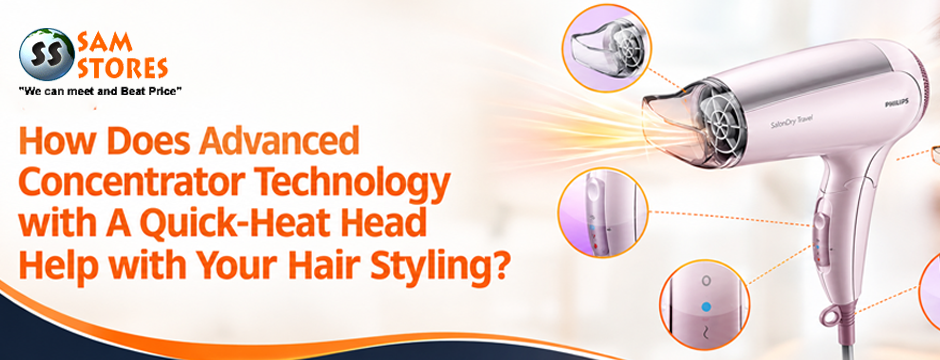
How The Braun 220 Volt Hair Dryer Redefines Everyday Glamour?

Salon-perfect hair has always felt like a luxury reserved for special occasions. Between busy schedules, rising salon costs, and constant heat exposure, maintaining professional styles daily often feels unrealistic. Many women settle for quick fixes that compromise hair health or styling flexibility. However, beauty routines are evolving, and home styling is now redefining modern glamour.

The Braun Satin Hair 3 Airstyler bridges the gap between professional results and everyday convenience. This 220 Volt hair dryer is designed for women who enjoy changing their look without damaging their hair.

This styling tool, available at Sam Stores, delivers salon-quality finishes while remaining gentle and intuitive. With thoughtful engineering and hair-friendly technology, it transforms daily hairstyling into a smooth, enjoyable ritual.

How The Braun 220 Volt Hair Dryer Redefines Everyday Glamour_

Why Salon-Quality Styling at Home Matters Today?

Modern lifestyles demand beauty solutions that are efficient yet indulgent. Women want tools that adapt to their pace without compromising hair health. At-home styling has shifted from being a backup option to becoming a confident beauty choice.

Professional looks at home offer several long-term benefits. They reduce dependency on salon heat treatments and allow more creative freedom. Most importantly, they support healthier hair through controlled, consistent styling.

The Braun Satin Hair 3 Airstyler fits perfectly into this mindset. It empowers users to create polished styles while protecting natural shine and texture.

Introducing The Braun Satin Hair 3 Airstyler

The Braun Satin Hair 3 Airstyler is crafted to dry and style hair simultaneously. This dual functionality minimizes excessive heat exposure while speeding up daily routines. Instead of harsh blasts of heat, it uses gentle airflow combined with even temperature distribution.

This 220 Volt hair dryer is especially suited for women who value versatility.

So, whether the goal is smooth volume, soft curls, or a natural blowout, the device adapts easily. Each feature is designed with hair safety and styling comfort in mind.

Ceramic Technology That Protects And Enhances Shine

100% Ceramic Coating for Even Heat Distribution

Hair damage often occurs due to uneven heat exposure. The Braun Satin Hair 3 Airstyler addresses this with a 100% ceramic-coated styling barrel. This coating ensures heat spreads evenly across the surface, preventing hot spots that cause dryness and breakage.

Ceramic technology also helps seal the hair cuticle. As a result, hair looks smoother, shinier, and healthier after every styling session. This makes daily use safer, even for fine or chemically treated hair.

Gentle Heat for Long-Term Hair Health

Unlike traditional styling tools that rely on intense heat, this airstyler prioritizes controlled warmth. The gentle heat approach reduces moisture loss, helping hair retain its natural softness. Over time, this contributes to stronger, more resilient strands.

Effortless Styling with Smart Design Features

Automated Curl Release for Tangle-Free Styling

Tangled hair is a common frustration during at-home styling. The Braun Satin Hair 3 Airstyler includes an automated roll-out function that releases hair smoothly after styling. This feature prevents snagging, pulling, and unnecessary breakage.

The result feels intuitive and stress-free, even for beginners. With our 220 Volt hair dryer, styling becomes quicker, smoother, and far more enjoyable.

Specifically Designed Styling Attachments

The airstyler comes with carefully engineered attachments that distribute heat evenly. Each attachment serves a distinct styling purpose, allowing users to switch looks effortlessly without switching tools.

Available attachments include:

  • Small round brush (18mm) for defined curls and shorter hair
  • Big round brush (36mm) for volume and soft blowouts
  • Volume finger for added lift at the roots

These attachments support precision styling while maintaining consistent airflow.

Versatility That Matches Every Mood And Occasion

One of the standout qualities of the Braun Satin Hair 3 Airstyler is its adaptability. Whether preparing for work, a casual outing, or a special event, it offers reliable styling flexibility.

Two Temperature & Airflow Settings

Different hair types require different heat levels. The airstyler includes two temperature and airflow settings, allowing customization based on hair texture and desired style. This ensures effective styling without unnecessary heat stress.

Fine hair benefits from lower settings, while thicker hair achieves smooth results with increased airflow.

Lightweight Design with Comfortable Handling

The ergonomic design makes styling sessions comfortable, even when creating detailed looks. A two-meter cable provides freedom of movement, making it easy to style from any angle.

At 400 watts, the airstyler balances power and efficiency. It delivers reliable performance without overwhelming heat output.

Creating Professional Looks without Salon Visits

Smooth Blowouts at Home

Achieving a salon-style blowout often feels challenging at home. With the Braun Satin Hair 3 Airstyler, smooth volume becomes accessible. The big round 220 Volt hair dryer brush lifts roots while smoothing lengths, creating a polished finish that lasts.

The gentle airflow prevents frizz while enhancing natural movement.

Soft Curls & Natural Waves

Defined curls do not require curling irons anymore. The small round brush allows controlled curling without excessive heat. The automated curl release ensures each curl forms cleanly and releases smoothly.

So, such an approach creates soft, touchable curls that feel natural rather than overstyled.

Everyday Volume That Looks Effortless

Flat hair can affect overall confidence. The volume finger attachment targets roots directly, adding lift without stiffness. Hence, it creates a fuller appearance that looks light and natural throughout the day.

A Styling Tool That Feels Luxurious yet Practical

Luxury in beauty tools is no longer about complexity. It is about thoughtful design, ease of use, and reliable results. The Braun Satin Hair 3 Airstyler reflects this modern definition of luxury.

Its ceramic coating, intelligent airflow, and tangle-free operation elevate everyday styling. At the same time, its simplicity ensures anyone can use it confidently.

This balance makes it ideal for women who want consistent results without professional assistance.

Ideal for Gifting across Borders

The Braun Satin Hair 3 Airstyler also makes a thoughtful gift choice. With its universal appeal and practical luxury, it suits women of different ages and hair types. Its 220–240 volt compatibility makes it especially convenient for gifting to family and friends overseas.

Gifting a styling tool that prioritizes hair health adds long-term value beyond aesthetics.

Built on Trust, Expertise, And Proven Design

Braun has a long-standing reputation for quality engineering and user-focused innovation. The Satin Hair 3 Airstyler reflects this legacy through its durable build and hair-safe technology.

From ceramic heat distribution to ergonomic handling, each feature supports reliable performance. Users are not just purchasing a styling tool. They are investing in healthier hair routines backed by thoughtful design.

End Note

Everyday glamour should feel effortless, not exhausting. The Braun Satin Hair 3 Airstyler makes professional styling achievable without stepping into a salon. It respects hair health while encouraging creativity and confidence.

For women who love switching styles without sacrificing shine, this 220 Volt hair dryer offers a smart solution. It proves that salon-quality hair can start at home, every single day. With gentle heat, versatile attachments, and intuitive features, it transforms daily routines into moments of self-care. That is the true essence of modern beauty. So, if you want to purchase such a useful hairdryer for yourself, visit Sam Stores today

Why Choosing a Reputable Brand 220 Volt Air Conditioner Matters

When it comes to cooling your home or office, investing in a high-quality 220 volt air conditioner is more than just a comfort decision. It is an investment in efficiency, durability, and long-term savings. With the summer months becoming increasingly intense, the need for reliable cooling solutions is essential. While the market is flooded with a variety of air conditioners, not all products deliver the same level of performance, reliability, or safety. This is why selecting a reputable brand for your 220 volt air conditioner and heater is crucial.

Reliable Performance and Cooling Efficiency

The primary reason to choose a trusted brand is the assurance of consistent performance. A reputable 220 volt wall air conditioner or portable unit is designed and tested to operate efficiently under standard electrical conditions. Low-quality or unbranded air conditioners may provide initial cooling, but they often fail to maintain consistent temperatures over extended periods. In contrast, branded units undergo rigorous quality testing to ensure that every component functions optimally.

Efficiency is another important factor. High-quality brands focus on energy-saving technologies that reduce power consumption without compromising cooling capacity. This not only helps lower electricity bills but also reduces the environmental impact of operating an air conditioner. For example, reputable brands often feature advanced inverter technology that adjusts compressor speed based on the cooling requirement, delivering precise temperatures and saving energy.

Safety and Compliance

Electrical appliances, especially those operating at 220 volts, must meet strict safety standards. A 220 volt wall air conditioner from a recognized brand ensures compliance with electrical safety regulations. Safety features like overheat protection, fire-resistant materials, and surge protection are often standard in branded units.

In contrast, lesser-known or generic air conditioners may lack these critical safety measures. Using a low-quality unit could pose serious risks, including electrical short circuits, fires, or even damage to your home wiring. Choosing a reputable brand ensures that you receive a product designed to operate safely in your environment.

converter-adapter-110v-to-220v

Longevity and Durability

A key advantage of investing in a branded 220 volt air conditioner and heater is the longevity of the product. Well-known brands use high-quality components that withstand regular use over many years. From the compressor to the condenser coil and electronic controls, every element is engineered to last.

Durable air conditioners also require fewer repairs, saving you the inconvenience and expense of frequent maintenance. While a cheaper model might seem cost-effective initially, recurring repairs and replacement parts can make it far more expensive in the long run. Choosing a trusted brand reduces the risk of breakdowns and ensures a longer lifespan for your cooling equipment.

Warranty and Customer Support

Another significant benefit of purchasing from a reputable brand is the availability of a comprehensive warranty. Branded air conditioners typically come with manufacturer warranties that cover defects and provide peace of mind. This is especially important for a 220 volt wall air conditioner, which represents a substantial investment.

Beyond warranties, branded companies provide reliable customer support. Whether it is installation guidance, maintenance tips, or troubleshooting assistance, you can count on the brand to stand behind its product. Unbranded units rarely offer such support, leaving buyers to manage repairs and technical issues on their own.

Advanced Features and Innovation

Reputable brands continuously invest in research and development to improve their products. Modern 220 volt air conditioners and heaters are equipped with features that enhance comfort and convenience. Features such as smart thermostats, app-based remote control, multiple fan speeds, sleep mode, and energy-saving modes are commonly found in branded models.

These innovations are more than just marketing gimmicks. They provide real benefits, including precise temperature control, improved indoor air quality, and energy efficiency. Choosing a reputable brand ensures that you gain access to the latest technology, keeping your home comfortable and your energy costs manageable.

Better Resale Value

If you ever plan to sell your home or office, a branded air conditioner adds value. Prospective buyers recognize the reliability and performance of established brands, which can make your property more attractive. On the other hand, unbranded or low-quality units may be seen as a liability, reducing the overall appeal of your property.

Easy Access to Spare Parts

Over time, components of an air conditioner may require replacement. A branded 220 volt wall air conditioner ensures easy availability of spare parts and service centers. This is essential for maintaining performance and extending the lifespan of the unit. Generic air conditioners may lack support networks, making repairs time-consuming, expensive, or even impossible in some regions.

Energy Efficiency and Cost Savings

Energy efficiency is a major consideration when selecting any appliance. Branded 220 volt air conditioners and heaters are designed to maximize cooling while minimizing energy consumption. This is achieved through precise engineering, high-quality compressors, and efficient refrigerants.

Investing in an energy-efficient unit reduces your monthly electricity bills while minimizing environmental impact. Over time, the savings on energy costs can offset the higher initial investment in a branded air conditioner. Cheaper, low-quality models often consume more electricity, leading to higher operational costs despite their lower purchase price.

Indoor Air Quality

Modern branded 220 volt air conditioners are not just about cooling. They are engineered to improve indoor air quality. Features like advanced filtration systems, dust and pollen traps, and antibacterial coatings help create a healthier living environment. This is particularly important for households with children, elderly members, or anyone with respiratory issues. Unbranded or budget models often lack such features, providing basic cooling without improving the air you breathe.

Noise Levels

Comfort is not only about temperature but also about a quiet environment. Reputable brands invest in soundproofing and vibration-reducing technologies to ensure that 220 volt wall air conditioners operate quietly. Cheaper alternatives may produce loud, disruptive noises that affect concentration, sleep, or relaxation. Choosing a recognized brand ensures a peaceful and comfortable indoor environment.

Sam Stores: Your Trusted Partner for 220 Volt Air Conditioners

At Sam Stores, we understand the importance of reliable cooling and heating solutions. We offer a wide range of 220 volt air conditioners and heaters, including 220 volt wall air conditioners, from reputable brands that guarantee performance, safety, and durability.

We pride ourselves on providing products that meet the highest quality standards. Our team ensures that every appliance we offer is genuine, tested, and suitable for use worldwide. With Sam Stores, you gain not only access to top-tier air conditioners but also fast shipping, real support, and a seamless shopping experience. Our goal is to help you stay comfortable while making a smart investment for your home or office.

Final Thoughts

Selecting a 220 volt air conditioner from a reputable brand is not just about luxury; it is about making a responsible, long-term decision. From safety and durability to energy efficiency and advanced features, branded air conditioners deliver value and peace of mind that cheap, generic alternatives cannot match.When you invest in a trusted brand, you are investing in reliable performance, cost savings, and comfort. Whether it is a 220 volt wall air conditioner for a permanent installation or a portable 220 volt air conditioner and heater for flexible cooling and heating, choosing a well-known brand ensures that you enjoy years of consistent performance.

Key Things to Check Before Buying a 220 Volts Dryer

Buying a dryer may appear simple at first glance, but when the appliance operates on a 220–240V electrical system, the decision requires far more attention. Many buyers make costly mistakes by focusing only on brand or price while overlooking technical compatibility, energy requirements, and long-term usability. 220 volts dryers are specifically designed for international power standards, and choosing the wrong model can result in performance issues, safety risks, or complete incompatibility.

This guide explains the most important factors to evaluate before purchasing a dryer 220 volt model, especially if the appliance is intended for use outside the United States or in countries with different voltage and frequency standards.

Understand the Power Supply in Your Location

The first and most critical factor is confirming the electrical system where the dryer will be installed. 220 volts dryers require a 220–240V power supply, but voltage alone is not enough. You must also verify the frequency.

Some regions operate on 50Hz, while others use 60Hz. A dryer designed for 50Hz may not function correctly on a 60Hz system and vice versa. This mismatch can affect motor speed, heating performance, and long-term reliability. Always check the local electrical specifications and match them exactly with the dryer’s requirements.

Failure to confirm voltage and frequency compatibility is one of the most common reasons appliances fail prematurely.

Choose Between Electric and Gas Dryers Carefully

220 volts dryers are available in both electric and gas variants, and the right choice depends on infrastructure, operating costs, and personal preference.

Electric dryers are easier to install in most international homes since they rely only on electrical connections. They are generally quieter and require less ventilation planning.

Gas dryers require a compatible gas supply and proper venting. While they may offer faster drying times in some cases, installation complexity and regional gas availability should be considered before choosing this option.

The decision should be based on practical conditions rather than assumptions about performance alone.

Evaluate Dryer Type Based on Venting Options

Dryers fall into three main categories, and each has specific installation requirements.

Vented dryers expel hot air outside and require external ducting. These models are effective but may not be suitable for apartments or enclosed spaces.

Condenser dryers collect moisture in a container or drain system, making them easier to install without external vents.

Heat pump dryers are the most energy efficient option. They operate at lower temperatures, consume less electricity, and are ideal for long-term cost savings. Many modern 220 volts dryers use heat pump technology due to stricter energy regulations in international markets.

Your choice should align with available space, ventilation possibilities, and energy consumption goals.

Check Dryer Capacity Against Household Needs

Capacity directly affects efficiency and fabric care. A dryer that is too small leads to overloading, which reduces airflow and increases drying time. A unit that is too large wastes energy on small loads.

Households with frequent laundry loads benefit from 8kg to 9kg capacity dryers. Larger families or commercial settings may require 10kg or higher.

Adequate drum space allows clothes to tumble freely, reducing creasing and ensuring even drying. This is particularly important when drying mixed fabrics.

Review Energy Consumption and Efficiency Ratings

Energy efficiency matters more with 220 volts dryers because they are often used in regions with higher electricity costs. Modern dryers include energy labels that indicate consumption levels.

Heat pump dryers typically offer the best efficiency, followed by condenser models. Vented dryers usually consume more energy due to heat loss.

Lower energy consumption does not mean reduced performance. Efficient dryers use smarter sensors and controlled heat levels to achieve better results while protecting fabrics.

Over time, an energy efficient dryer reduces operating costs significantly.

Look for Moisture Sensors and Smart Drying Features

Moisture sensors play a crucial role in preventing over-drying. These sensors detect when clothes reach the desired dryness level and automatically stop the cycle.

Without sensors, dryers rely on fixed time settings, which can lead to fabric damage and unnecessary energy use. This feature is especially important when drying delicate garments or mixed loads.

Many advanced dryer 220 volt models also offer fabric-specific programs that adjust temperature and drum motion for optimal care.

converter-adapter-110v-to-220v

Measure Installation Space Accurately

Before purchasing, measure the available space carefully. This includes width, depth, height, and door clearance.

Some dryers require additional space for ventilation or condenser access. Others need room for lint filter removal or water container maintenance.

Stackable options are available for washer dryer setups, but compatibility must be confirmed between appliances.

Proper spacing ensures ease of use, safety, and long-term reliability.

Check Maintenance Requirements

Maintenance is often overlooked but directly affects performance. Lint filters should be easy to access and clean. Condenser and heat pump dryers may require periodic cleaning of internal components.

A dryer that is difficult to maintain will gradually lose efficiency and increase drying times. Clear maintenance instructions and accessible components make long-term ownership easier.

Always review the recommended cleaning schedule before purchasing.

Confirm Availability of Service and Support

Buying an appliance without support access can create problems later. Ensure spare parts and service options are available for the brand and model you choose.

International appliances may have different warranty terms depending on region. Understanding these details before purchase prevents future frustration.

Why Buying from Sam Stores Makes the Difference

At Sam Stores, we understand that purchasing 220 volts dryers is not just about selecting a brand or price point. It is about ensuring complete compatibility with international power systems, installation conditions, and long-term use. We carefully curate dryers that meet export standards and clearly specify voltage, frequency, and usage requirements.

Our team helps customers choose the right dryer 220 volt model based on location, power supply, household size, and installation constraints. We focus on clarity, accurate specifications, and practical guidance so buyers can avoid costly mistakes. When you shop with us, you are not guessing. You are making an informed decision backed by experience.

Conclusion

Buying a 220 volt dryer requires attention to electrical compatibility, dryer type, capacity, efficiency, and maintenance needs. Skipping these checks can lead to poor performance, safety risks, or unnecessary expenses. By understanding how 220 volts dryers are designed and matching them carefully to your environment, you ensure reliable operation and long-term value.

A well-chosen dryer supports fabric care, saves energy, and fits seamlessly into your daily routine. Making the right decision starts with asking the right questions before you buy.

What Is a 220 Outlet Air Conditioner and Who Actually Needs One

Air conditioners are not universal appliances. One of the most common and costly mistakes buyers make is assuming that all air conditioners work the same way regardless of where they are installed. Voltage requirements matter, and they matter a lot. A 220 outlet air conditioner is designed specifically for regions and buildings that operate on higher electrical voltage standards. Understanding what this means and whether you actually need one can save you from electrical damage, safety risks, and wasted money.

This guide explains what a 220 outlet air conditioner is, how it differs from standard models, and who should be buying one.

Understanding Electrical Voltage in Simple Terms

Every country follows a standard electrical system. In the United States and a few other regions, most household outlets supply 110 to 120 volts. In contrast, much of Europe, Asia, Africa, the Middle East, Australia, and parts of South America operate on 220 to 240 volts.

A 220 outlet air conditioner is built to run directly on this higher voltage supply. It is not a modified version of a lower voltage unit. The internal components including the compressor, motor, control board, and wiring are designed to operate safely and efficiently at this voltage level.

Plugging the wrong appliance into the wrong voltage source can result in immediate failure or long term damage.

What Exactly Is a 220 Outlet Air Conditioner

A 220 outlet air conditioner is an air conditioning unit that requires a 220 to 240 volt power supply to operate. These units are commonly found in international homes, overseas apartments, commercial spaces, and export markets.

They are available in multiple formats including split systems, window units, portable air conditioners, cassette systems, and standing models. The voltage requirement is not optional. These units will not function correctly on a standard US household outlet without proper electrical infrastructure.

Many models also operate on 50Hz or 60Hz frequency depending on regional standards. This detail is just as important as voltage and should always be checked before purchase.

How a 220 Outlet Air Conditioner Differs from a 110V Model

The difference between a 220 outlet air conditioner and a 110V unit is not limited to the plug shape.

A 220V system draws lower current for the same cooling capacity. This allows manufacturers to design more powerful units without overloading circuits. As a result, higher BTU ratings are more commonly available in 220V models.

These systems are also common in buildings with dedicated electrical lines for heavy appliances. This makes them suitable for large rooms, offices, hotels, and commercial properties.

Using a voltage converter is not a reliable solution for air conditioners. These appliances draw high starting current and sustained power. Most converters are not built to handle this load safely.

What Is a 220 Outlet for Window Air Conditioner

A 220 outlet for window air conditioner is a dedicated electrical outlet designed to supply the correct voltage and current required by a window AC unit.

Window air conditioners often require a stable power supply due to their compressor load. In many countries, homes are already wired with suitable outlets. In other cases, especially in commercial buildings or older properties, a dedicated outlet may need to be installed by a licensed electrician.

It is important to understand that not all 220 outlets are identical. Plug types and grounding standards vary by country. Always match the outlet type to the appliance specification.

converter-adapter-120v-to-240v

Who Actually Needs a 220 Outlet Air Conditioner

Not everyone needs a 220V unit. However, for certain users, it is not optional.

International Homeowners and Residents

If you live in a country where household power supply is 220 to 240 volts, a 220 outlet air conditioner is the correct and safest choice. Using a lower voltage unit in these regions typically requires bulky transformers and introduces unnecessary risk.

Expats and Overseas Property Owners

Many expats purchase appliances from abroad without fully understanding voltage compatibility. A 220 outlet air conditioner ensures that the unit operates as intended without modification.

Commercial and Hospitality Businesses

Hotels, offices, clinics, and retail spaces outside the US almost always rely on 220V electrical systems. These environments require air conditioners that can handle longer operating hours and higher cooling demand.

Large Room and High Capacity Cooling Needs

Higher capacity air conditioners are more efficient on 220V systems. If you need to cool large spaces, conference rooms, or open layouts, 220V units offer better performance stability.

Buyers Shipping Appliances Internationally

If you are purchasing an air conditioner for export or overseas delivery, choosing the correct voltage at the point of purchase avoids installation delays and return issues.

Who Does Not Need One

If you live in the US and your home only has standard 110 to 120V outlets, a 220 outlet air conditioner is not suitable unless your property has a dedicated 220V line installed.

Using extension cords, converters, or adapters is unsafe for air conditioners and should never be considered a workaround.

Types of 220 Outlet Air Conditioners Available

Window Air Conditioners

These units are designed to fit into window frames and connect directly to a 220 outlet for window air conditioner. They are commonly used in apartments, dormitories, and offices.

Split Air Conditioners

Split systems consist of an indoor and outdoor unit. They are quieter and more efficient and are widely used in residential and commercial buildings worldwide.

Portable Air Conditioners

Portable models offer flexibility and mobility. They still require a proper 220V outlet and are best for smaller spaces or temporary cooling needs.

Cassette and Standing Units

These are typically used in commercial or high traffic areas where airflow distribution and capacity are critical.

Common Mistakes Buyers Make

One of the biggest mistakes is assuming that voltage adapters solve compatibility issues. They do not. Air conditioners require stable power delivery that most adapters cannot provide.

Another mistake is ignoring frequency requirements. A unit designed for 50Hz may not perform correctly on a 60Hz system and vice versa.

Buyers also underestimate installation requirements. Some units require professional installation and proper electrical grounding.

Safety and Compliance Considerations

Electrical safety should never be compromised. A 220 outlet air conditioner must be installed according to local electrical codes. This includes correct wiring, grounding, and circuit protection.

Always verify voltage, frequency, plug type, and load capacity before installation. If unsure, consult a licensed electrician.

Why Product Specifications Matter More Than Price

Cooling capacity, energy efficiency, and voltage compatibility determine long term performance. Choosing a cheaper unit that does not match your electrical system often leads to higher costs due to repairs, replacements, or inefficiency.

Reading specifications carefully helps ensure the unit delivers consistent cooling without stressing your electrical infrastructure.

Our Role at Sam Stores

At Sam Stores, we focus exclusively on appliances designed for international voltage standards. We understand that choosing the wrong air conditioner is not just inconvenient but expensive and unsafe. That is why we ensure our listings clearly specify voltage, frequency, and regional compatibility. Our goal is to help customers select equipment that works correctly in their homes and businesses without electrical compromises. We support buyers who need reliable 220 outlet air conditioner solutions for residential, commercial, and overseas use.

Conclusion

A 220 outlet air conditioner is not a niche product. It is the correct choice for millions of homes and businesses worldwide that operate on higher voltage electrical systems. Understanding voltage compatibility, outlet requirements, and installation needs is essential before making a purchase.

If your property uses a 220 to 240 volt power supply, choosing the right air conditioner is not optional. It is a matter of safety, performance, and long term reliability. Making an informed decision ensures efficient cooling, lower risk, and dependable operation for years to come.

Common Transformer Failures and How to Diagnose Them

Electricity powers everything from home appliances to industrial machinery. At the heart of this flow sits a quiet workhorse that most people only think about when something goes wrong. Transformers.

Whether you rely on voltage transformers for industrial operations, voltage converters for imported equipment, or travel converters to keep devices safe overseas, transformer failures can cause downtime, damage, and costly replacements.

At Sam Stores, we regularly hear the same questions from customers.

  • “Why did my transformer suddenly stop working?”
  • “Why is my equipment overheating?”
  • “Why did my 220 volt power tools burn out?”

This guide breaks down the most common transformer failures, how to spot them early, and what practical steps you can take before a small issue turns into an expensive problem.

Why Transformer Failures Happen More Often Than You Think

Transformers are designed to be durable, but they are not indestructible. Failures usually happen for simple reasons that get overlooked.

  • Incorrect voltage selection
  • Overloading
  • Poor ventilation
  • Low quality components
  • Improper installation
  • Environmental stress such as dust or moisture

Many users assume transformers fail randomly. In reality, most failures leave clear warning signs long before they shut down completely.

Understanding these signs can save you money and protect your equipment.

Failure #1: Overheating and Thermal Breakdown

What Causes It

Overheating is the most common transformer failure worldwide. It usually occurs when a transformer is pushed beyond its rated capacity.

This often happens when users connect high-draw devices like 220 volt power tools without checking the transformer’s wattage rating.

Other causes include blocked airflow, high ambient temperatures, or placing the transformer in enclosed spaces.

Warning Signs

  • Transformer feels hot to the touch
  • Burning smell or discoloration
  • Buzzing sound louder than usual
  • Automatic shutdown if thermal protection exists

How to Diagnose

Disconnect the load and allow the transformer to cool. Check the total wattage of connected devices. Compare it to the transformer’s rated capacity.

If the load exceeds 80 percent of capacity during normal use, overheating is very likely.

How to Prevent It

  • Always size transformers above the actual load
  • Ensure proper ventilation
  • Use industrial-grade voltage transformers for continuous operation
  • Avoid stacking equipment on top of transformers

Sam Stores offers load-rated transformers specifically designed for high-demand applications where overheating is a concern.

Failure #2: Insulation Breakdown

What Causes It

Transformer insulation protects internal windings from short circuits. Over time, insulation can degrade due to heat, moisture, or voltage spikes.

This is common in cheaper voltage converters or units used in humid environments without proper sealing.

converter-adapter-120v-to-240v

Warning Signs

  • Tripping circuit breakers
  • Unstable output voltage
  • Crackling or popping sounds
  • Visible insulation damage

How to Diagnose

Use a multimeter to check output stability. Sudden voltage fluctuations often point to insulation failure. Visual inspection may reveal darkened windings or brittle insulation.

How to Prevent It

  • Use sealed transformers in humid locations
  • Avoid exposing units to water or condensation
  • Choose high-quality insulation materials
  • Replace aging transformers before total failure

For long-term reliability, Sam Stores supplies transformers built with reinforced insulation designed for harsh environments.

Failure #3: Voltage Mismatch and Incorrect Conversion

What Causes It

Using the wrong transformer for the application is a silent killer of equipment. This is especially common with imported tools and appliances.

For example, running 220 volt power tools on an underpowered or incorrect converter can destroy both the tool and the transformer.

Many travelers also confuse adapters with travel converters, assuming they perform voltage conversion when they do not.

Warning Signs

  • Devices run slower or faster than normal
  • Unusual noise from motors
  • Shortened equipment lifespan
  • Instant device failure

How to Diagnose

Check the input voltage, output voltage, and frequency requirements of your equipment. Compare them with transformer specifications.

If the transformer does not match both voltage and wattage requirements, replacement is necessary.

How to Prevent It

  • Understand the difference between adapters and converters
  • Use true voltage transformers for power tools
  • Avoid cheap step-down units for heavy loads
  • Consult experts before purchasing

Sam Stores helps customers select the correct voltage solution for both travel and industrial needs.

Failure #4: Loose Connections and Poor Wiring

What Causes It

Loose terminals, undersized wiring, or poor internal soldering can cause arcing and overheating. This often occurs in low-quality units or after frequent movement.

Portable travel converters are especially vulnerable if handled roughly.

Warning Signs

  • Intermittent power
  • Sparking at terminals
  • Buzzing or humming
  • Power loss under load

How to Diagnose

Inspect terminals and wiring for looseness or corrosion. Gently wiggle connections while monitoring output voltage.

How to Prevent It

  • Use secure mounting for permanent installations
  • Avoid frequent unplugging under load
  • Choose products with reinforced terminals
  • Perform periodic inspections

Sam Stores stocks transformers built for portability without sacrificing internal durability.

Failure #5: Core Saturation and Excessive Noise

What Causes It

Core saturation occurs when a transformer is driven beyond its design limits. This often results from incorrect frequency input or voltage overload.

This issue is common when using foreign equipment without proper conversion.

Warning Signs

  • Loud humming or vibration
  • Reduced efficiency
  • Heat buildup
  • Distorted output voltage

How to Diagnose

Check input frequency compatibility. Some equipment requires precise frequency matching, not just voltage conversion.

How to Prevent It

  • Use frequency-compatible voltage transformers
  • Avoid mixing industrial and consumer equipment
  • Select purpose-built converters

Failure #6: Environmental Damage

What Causes It

Dust, moisture, chemical fumes, and temperature extremes slowly degrade transformer components.

Warehouses, workshops, and construction sites expose transformers to harsh conditions daily.

Warning Signs

  • Rust or corrosion
  • Dust buildup blocking airflow
  • Sticky residue on surfaces
  • Unexpected shutdowns

How to Diagnose

Visual inspection combined with performance testing often reveals environmental damage.

How to Prevent It

  • Use enclosed transformer housings
  • Clean units regularly
  • Store unused transformers properly
  • Select industrial-rated products

Sam Stores provides transformers designed for rugged real-world use, not ideal lab conditions.

Troubleshooting Checklist Before Replacing a Transformer

Before assuming a transformer is dead, walk through this checklist.

  • Confirm correct input voltage
  • Measure output voltage under load
  • Check for overheating
  • Inspect wiring and terminals
  • Verify load wattage
  • Test with a known working device

Many issues turn out to be load mismatches or wiring faults rather than transformer failure.

When Replacement Is the Smarter Choice

Sometimes repair is not cost-effective. Replace a transformer if:

  • Insulation damage is visible
  • Core overheating persists
  • Output voltage is unstable
  • Safety features no longer function

Cutting corners here risks damaging expensive equipment.

Why Quality Matters More Than Price

Cheap transformers often fail silently and early. Quality units protect both your investment and your safety.

At Sam Stores, we focus on reliability because customers rely on us for:

  • Industrial voltage transformers
  • Heavy-duty voltage converters
  • Reliable travel converters
  • Safe solutions for 220 volt power tools

We help customers choose the right product the first time, not after something breaks.

Final Thoughts

Transformer failures rarely happen without warning. Overheating, noise, voltage instability, and insulation damage all send clear signals.

Knowing how to diagnose these problems helps you act early, reduce downtime, and avoid unnecessary costs.

Whether you are powering industrial equipment, international tools, or travel electronics, the right transformer makes all the difference.If you need expert guidance, durable products, or honest advice, Sam Stores is here to help you power safely and confidently.

Noise, Heat & Reliability: What Transformers Don’t Tell You

When most people shop for transformers, they focus on voltage ratings, wattage, and plug compatibility. Those numbers matter, but they only tell part of the story. The real performance of voltage transformers is often shaped by factors that rarely make it onto spec sheets. Noise, heat behavior, and long-term reliability quietly determine whether a transformer becomes a dependable workhorse or a constant source of frustration.

At Sam Stores, we speak daily with engineers, technicians, frequent travelers, and professionals using everything from sensitive electronics to heavy-duty 220 volt power tools. The questions they ask reveal a pattern. What really matters is not just what a transformer does on day one, but how it behaves after hours of use, under stress, in real environments.

This guide pulls back the curtain on what transformers do not always tell you upfront, and why understanding these hidden factors can save money, time, and equipment in the long run.

Why Transformer Noise Is More Than an Annoyance

Transformer noise is often dismissed as a minor inconvenience. A low hum here, a faint vibration there. In reality, noise is one of the earliest indicators of deeper electrical and mechanical behavior.

The Source of Transformer Noise

Most transformer noise comes from magnetostriction. As the core magnetizes and demagnetizes, it physically expands and contracts. This movement creates vibration, which becomes audible sound. Cheaper cores, loose laminations, or poor assembly amplify this effect.

In well-designed voltage transformers, this vibration is minimized through tight core stacking, quality insulation, and proper enclosure design. In poorly designed units, noise increases as load increases.

Why Engineers Pay Attention to Noise

Noise is not just about comfort. It signals inefficiency. Excess vibration often means energy loss, mechanical stress, and eventually reduced lifespan. In commercial settings, persistent hum can also indicate harmonic distortion or overload conditions.

For travelers using travel converters in hotel rooms or shared spaces, excessive noise quickly becomes a problem. For workshops running 220 volt power tools, noise can point to a transformer being pushed beyond its practical operating range.

Quiet operation is often a sign of better engineering, even when the specs look similar on paper.

Heat: The Silent Reliability Killer

Heat is the most underestimated factor in transformer performance. Every transformer generates heat. The difference lies in how well that heat is managed.

Where Transformer Heat Comes From

Heat is produced through copper losses in windings and core losses in the magnetic material. When load increases, heat rises. When ventilation is poor, heat accumulates. When internal components are low quality, heat builds faster and dissipates slower.

Many budget voltage converters technically meet voltage requirements, but lack adequate thermal design. This results in transformers that feel hot to the touch within minutes.

Why Heat Matters More Than You Think

Heat shortens insulation life. It dries out varnishes, weakens winding insulation, and accelerates failure. A transformer that runs hot may still work today, but its reliability curve drops sharply over time.

Engineers often judge transformers not by maximum wattage, but by temperature rise under continuous load. A transformer rated for 1000 watts that runs cool at 600 watts will outlast a cheaper unit rated for the same output but operating near thermal limits.

At Sam Stores, many customers choose slightly higher capacity voltage transformers not for power, but for thermal headroom. That margin is what protects devices during long operating cycles.

Reliability Is Built Long Before the First Plug-In

Reliability does not start when you turn a transformer on. It begins with design decisions made months earlier.

Core Materials and Long-Term Performance

High-quality silicon steel cores reduce hysteresis losses and noise. Inferior cores saturate faster, generate more heat, and degrade quicker. This difference is rarely highlighted in product listings, yet it has a massive impact on lifespan.

For applications involving 220 volt power tools, core quality determines whether the transformer can handle startup surges without stress. Tools with motors draw high inrush current. A weak core struggles, overheats, and fails prematurely.

Winding Quality and Insulation Integrity

Copper purity, winding tension, and insulation layering all affect reliability. Loose windings vibrate. Thin insulation cracks under heat. These failures do not happen instantly. They develop quietly, then suddenly cause breakdown.

Well-built voltage transformers feel heavier not by accident, but because better materials are used where it matters.

The Overlooked Role of Load Behavior

One of the most misunderstood aspects of transformer use is load type.

Resistive vs Inductive Loads

A hair dryer behaves differently than a power drill. A laptop charger behaves differently than a compressor. Inductive loads, such as motors and tools, place far greater stress on transformers.

Many travel converters are suitable only for resistive loads. Plugging an inductive device into the wrong converter leads to noise, excessive heat, and eventual failure.

Customers often tell us their transformer worked fine until it did not. When we dig deeper, the issue is usually mismatched load behavior.

Continuous Load vs Intermittent Use

Transformers rated for intermittent use may survive short bursts but fail under sustained operation. Workshops and industrial users should always look for continuous duty ratings, even if that means stepping up capacity.

Environmental Conditions Matter More Than Specs

A transformer that performs well in a lab may struggle in real environments.

Ventilation and Placement

Poor airflow traps heat. Placing transformers near walls, under desks, or inside cabinets restricts cooling. Engineers factor this into selection. Casual buyers often do not.

Voltage Stability and Grid Quality

In many regions, incoming voltage fluctuates. This puts additional stress on voltage transformers and voltage converters. A transformer designed with wider tolerance handles these conditions more gracefully, running cooler and quieter.

Travelers moving between countries experience this firsthand. A reliable travel converter is one that adapts smoothly to inconsistent power quality.

Why Cheap Transformers Cost More Over Time

Upfront savings often hide long-term costs.

  • Noisy transformers lead to replacement.
  • Hot transformers damage connected devices.
  • Unreliable transformers cause downtime.

Professionals understand this tradeoff. That is why experienced engineers often choose conservative ratings and proven designs over flashy features.

At Sam Stores, our customers return because they see the difference after months, not minutes. Their tools run smoother. Their electronics last longer. Their setups stay stable.

Choosing Transformers That Perform in the Real World

When evaluating voltage transformers, look beyond wattage.

Ask these questions:

  • Does it run quietly under load?
  • Does it stay cool after extended use?
  • Is it designed for inductive loads if needed?
  • Does it provide thermal and electrical headroom?
  • Is it built with durability, not just compliance?

For travelers, this means choosing travel converters designed for real appliances, not just chargers. For professionals, it means selecting transformers that respect the demands of 220 volt power tools and industrial equipment.

converter-adapter-120v-to-240v

Why Sam Stores Focuses on What Specs Leave Out

At Sam Stores, we do not just sell transformers. We help customers avoid problems they did not know to anticipate.

Our product selection prioritizes:

  • Stable thermal behavior
  • Low noise operation
  • Load-appropriate design
  • Long-term reliability

Whether you need voltage converters for international travel, workshop-grade voltage transformers, or heavy-duty solutions for demanding equipment, our focus remains the same. Performance that lasts beyond the first plug-in.

Final Thoughts

Transformers rarely fail dramatically at first. They whisper warnings through noise, heat, and subtle instability. Those signals are easy to ignore until failure becomes unavoidable.

Understanding these non-obvious factors gives engineers, professionals, and everyday users a significant advantage. It leads to smarter purchases, safer operation, and better long-term value.

If you want transformers that perform quietly, stay cool, and remain reliable when it matters most, start looking beyond the label. That is where real quality lives.

And that is where Sam Stores stands apart.